How UI/UX Design Shapes Human Behavior
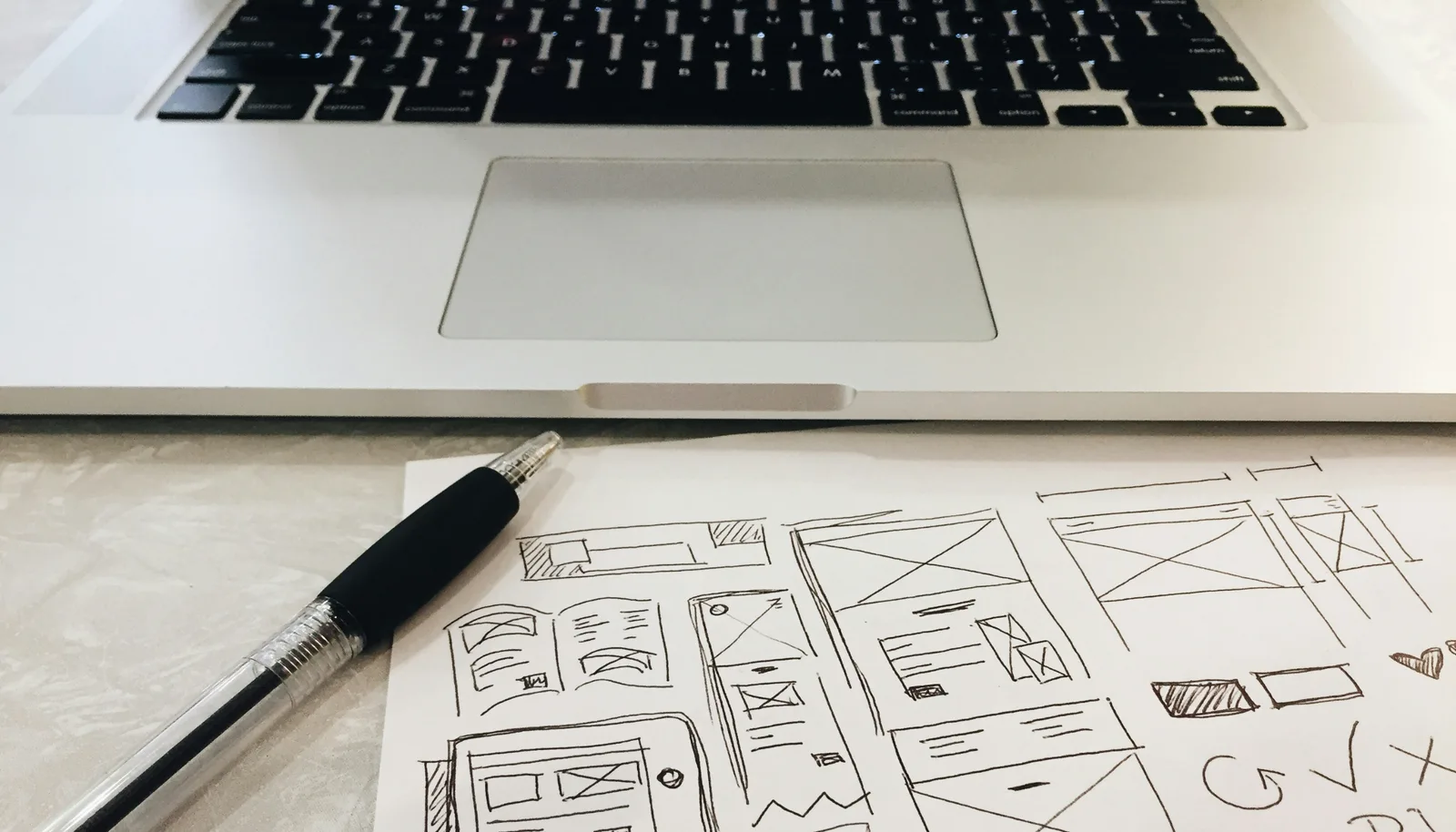
More and more of life runs through screens, and their design has a profound, mostly invisible effect on how people behave. Every click, swipe, and scroll comes out of a design choice someone made on purpose. Those choices can help people and make their lives better, or they can manipulate attention, deepen addiction, and exploit cognitive biases. UI (user interface) and UX (user experience) design isn't neutral. It shapes how we think, feel, and act.
1. Design as a behavioral nudge
Good design nudges people toward certain behaviors, which can be positive. Fitness apps reward consistency to get people exercising. Finance apps make saving simpler and help people spend less. Learning platforms gamify progress to pull people into deeper engagement.
The same techniques can be turned into weapons, though. Infinite scroll and autoplay keep people hooked for hours. Dark patterns trick them into subscriptions or into sharing their data. Push notifications are engineered to maximize FOMO and drive re-engagement, whatever the user meant to do.
"The best interface is one that respects the user's time and intention. The worst one hijacks them."
2. Cognitive load and choice architecture
How information is presented affects the decisions people make. A clear hierarchy and intuitive navigation let people choose with confidence. Overwhelming menus, poor labeling, and hidden settings (often hidden on purpose) wear people out, frustrate them, or lead them into actions they didn't intend.
That makes choice architecture an ethical issue as much as a UX one. Designers decide what's easy, what's buried, and what's the default, and the default usually wins.
3. Emotion by design
Color, spacing, microinteractions, and tone of voice all shape how people feel. A clean, thoughtful design can build trust and a sense of calm. A cluttered or aggressive one can ramp up anxiety or urgency. Calm apps use minimalist interfaces and pastel color schemes. Flash sale sites use red accents, countdowns, and scarcity cues meant to trigger a fast decision.
Designers wield emotion as a tool. The question is who it benefits.
4. Accessibility, inclusion, and marginalization
Poor UX can shut out whole groups of people. Inaccessible forms and navigation do it to people with disabilities, language and iconography can alienate non-native speakers or older adults, and cultural assumptions get baked into flows and metaphors. Inclusive design widens usability, empathy, and reach, and it actively pushes back against the marginalization that poor design causes.
5. Ethical UX: intent vs. impact
Designers usually start with good intentions, but intentions don't protect anyone from harm. What a design actually does matters more, especially at scale. Ethical designers ask questions like these:
- Does this feature respect user autonomy?
- Are we designing for addiction or for empowerment?
- What unintended consequences could this UI have?
Companies that put short-term metrics ahead of long-term trust tend to end up designing dark patterns. Ethical UX means resisting that pull.
Where that leaves designers
UI/UX design doesn't only reflect how people behave. It shapes it, which makes designers behavioral architects and that power comes with responsibility. The line between helpful and harmful is thin and often invisible to users, but never to the people who build the system.
TL;DR
- UI/UX design changes how people behave, sometimes in ways they don't notice.
- Great design can promote health, learning, productivity, and inclusion.
- Bad design can exploit biases, attention, and trust.
- Designers have to ask "Should we?" and not only "Can we?"