How UI Can Build Trust, Joy, and Loyalty
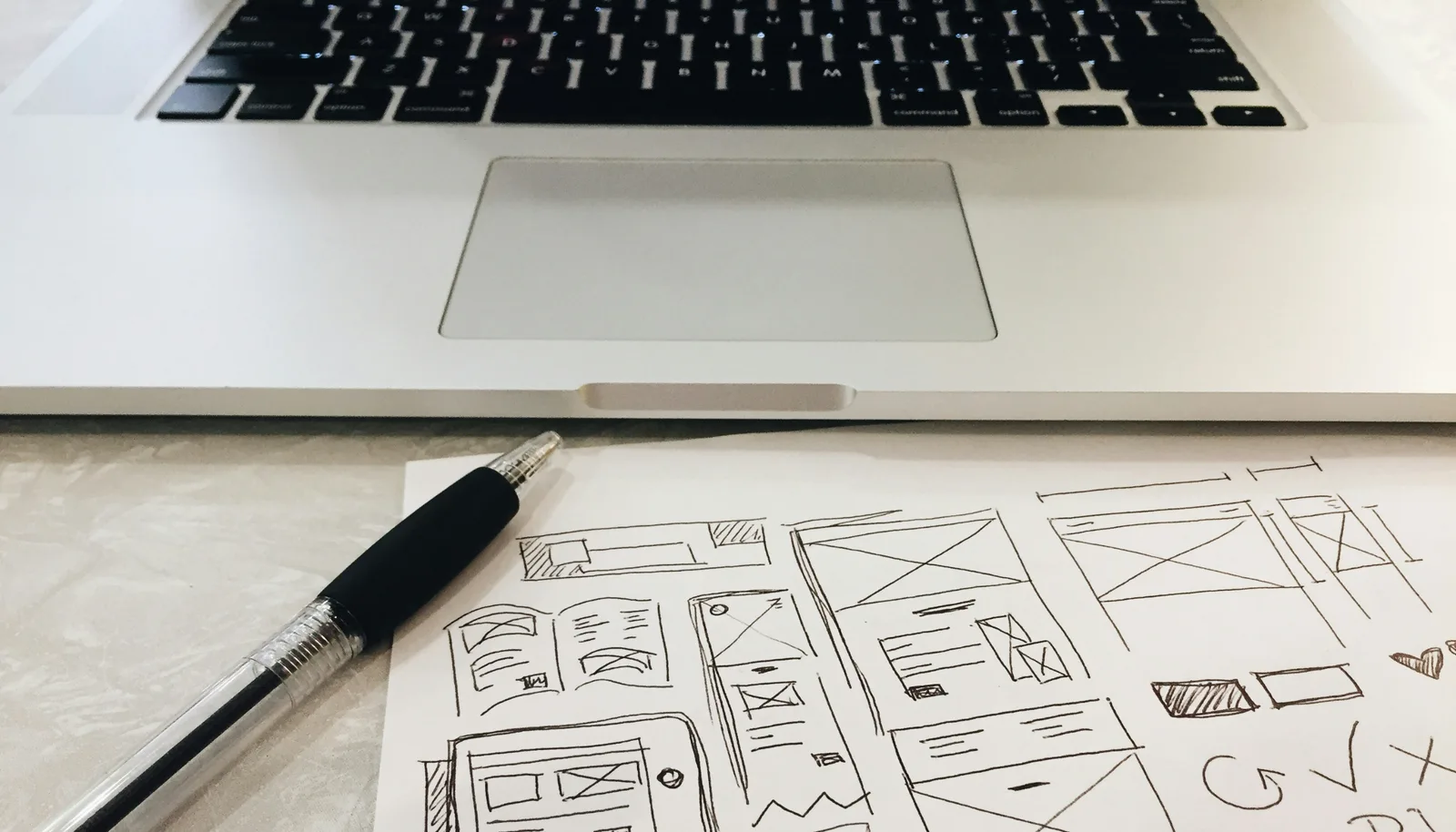
Behind every tap, scroll, and click there's a person with feelings, and designers shape those feelings along with the interface. When we design for emotion on purpose, people do more than use what we made. They remember it, come back to it, and recommend it.
Three feelings matter most to me here: trust, joy, and loyalty.
1. Trust comes first
If people don't trust your interface, they won't use your product, however useful or beautiful it is.
Consistency does a lot of it, because predictable layouts and familiar patterns read as professional and reliable. So does clarity: clear calls to action, readable text, and transparent messaging. Visual cues help too, like a clean design, calm colors, and trust symbols such as a lock icon for security. And people need feedback that their actions did something, so loading spinners, confirmations, and success messages matter.
Trust also forms fast, so the design has to feel credible the moment it appears.
2. Joy lives in the details
Delightful design turns ordinary moments into memorable ones. It's what makes people smile when they finish a task or spot a tiny animation they weren't expecting.
Microinteractions are the little things: a bounce, a sound, a checkmark. Personalization, like a personal greeting or an adaptive UI, helps people feel seen. Write like a human, with warmth, empathy, and humor where it fits. And when someone finishes something meaningful (onboarding, a goal, a booking), reward them visually.
Duolingo's encouraging owl animations are a good example. They turn routine learning into a playful, rewarding habit.
3. Loyalty builds over time
Loyalty isn't earned in a day. It builds through repeated emotional wins, and people return to products that make them feel respected, successful, and in control.
Progress indicators, streaks, and reminders build the habit. Respect people's attention, which rules out dark patterns, bait and switch, and manipulative nudges. Let people grow within the product as you unlock features, support new goals, and celebrate milestones. And design for real life: busy schedules, interruptions, accessibility needs, and context switching.
Emotional loyalty is stronger than the functional kind. People might start using a tool because they need it, but they stay because they love it.
Emotion is part of the strategy
Designing for emotion doesn't mean adding emojis or cute colors. It means understanding what someone feels at each step and using the design to support, guide, or lift them.
The questions I ask myself:
- How do I want the person to feel here?
- What could stress them out at this moment?
- Where can I add reassurance, delight, or clarity?
Final thought
UI design is about pixels, sure, but mostly it's about people. Design for what they feel and the result can connect with them, comfort them, and even inspire them.
Earn someone's trust, bring them some joy, and give them a sense of belonging, and they won't just use what you built. They'll love it.